Junior Mining
Before you raise: a metallurgist's checklist for junior miners
By Jolene van Rensburg · · 5 min read
Junior miners are the engine of new discovery, and they are almost always short of capital. The temptation is to start knocking on funders' doors as soon as there is a promising drill result. In my experience, that first conversation shapes everything that follows. Arrive under-prepared and you spend the next year correcting an impression. Arrive ready and the questions become about structure, not doubt.
Here is the checklist I use when screening opportunities, written from the metallurgy side of the table.
1. Secure tenure
Do you hold a prospecting right or mining right, in good standing, over the area you are describing? Are there overlapping claims, community land issues or pending applications? Funders invest in rights, not rocks.
2. A compliant resource statement
Historical estimates and verbal grades are interesting, not investable. A resource declared under SAMREC, JORC or NI 43-101 by a competent person is the minimum for most serious capital. If you are not there yet, have a clear, costed plan to get there.
3. Representative testwork
This is where many projects fall down. A single bulk sample from the best outcrop tells you almost nothing about the deposit. Testwork should represent the ore types, grades and weathering states you expect to mine, and should test the processes you intend to use.
4. A defined flowsheet
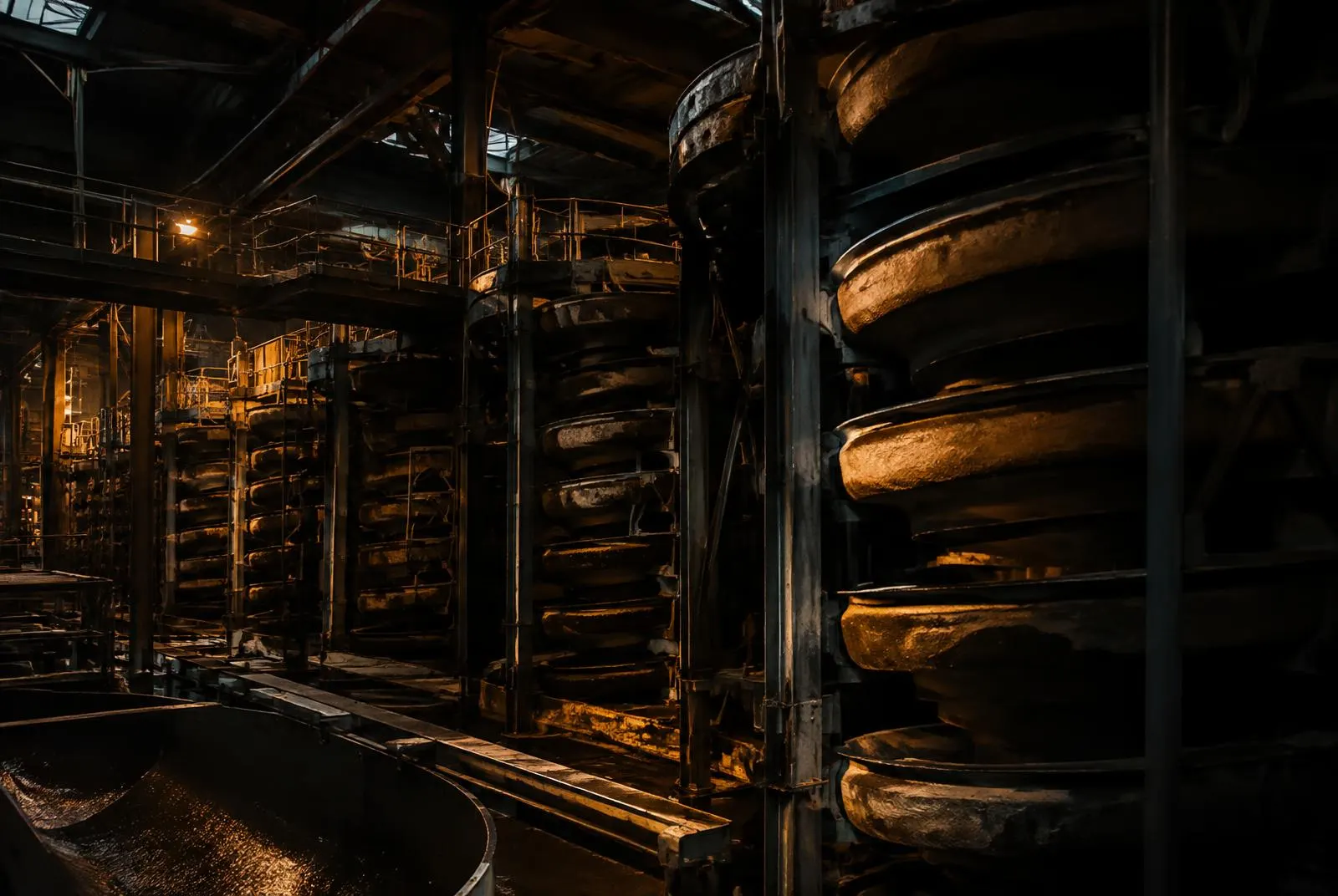
You do not need a detailed design, but you do need a credible process route supported by data: crushing and milling, the concentration steps, expected recoveries and concentrate grades. If gravity, magnetic or dense-medium separation is in the mix, the equipment choices should be justified by your testwork, not by a catalogue.
5. Environmental authorisation
Know which authorisations you need, which you have, and how long the rest will take. A realistic environmental timeline is often the longest pole in the tent.
6. Water and power
Where will the water come from, and is the allocation secure? What is the power solution, and does it survive load-shedding or a remote location? These questions sink more African projects than grade does.
7. Community and social licence
In South Africa, the Social and Labour Plan is a regulatory requirement and a genuine commitment. Elsewhere, community agreements carry similar weight. Document your engagement so far, honestly.
8. A credible management team
Funders back people. Who has built or run a plant before? Who manages the money? Where are the gaps, and how will you fill them? A small, candid team with the right advisers beats a long list of impressive names who are rarely available.
9. A financial model
Even at early stages, a simple model showing capital, operating costs, recoveries, prices and timeline demonstrates that you understand your own project. Test it against a downside price case.
10. A clear funding ask
How much do you need, for what, and what milestone will that money reach? 'We need funding' is not an ask. 'We need ZAR 18 million to complete infill drilling and variability testwork, reaching a pre-feasibility decision in 14 months' is.
Score yourself honestly
- Seven or more: you are likely ready for serious partner conversations.
- Four to six: you are developing. Close the gaps before the big meetings.
- Three or fewer: focus on fundamentals; it will save you time and dilution.
Our Funding Readiness Scorecard on the Opportunity Desk walks you through these ten questions in under two minutes and gives tailored next steps. Please note that Alana Ventures does not provide financial or investment advice; I help get the technical and commercial story ready, and make introductions.
Working on something this article describes?
I help OEMs enter African markets and project owners find the right partners. Let's talk.