Tailings & Circular Economy
Tailings are the new ore body: what makes a reprocessing project bankable
By Jolene van Rensburg · · 6 min read
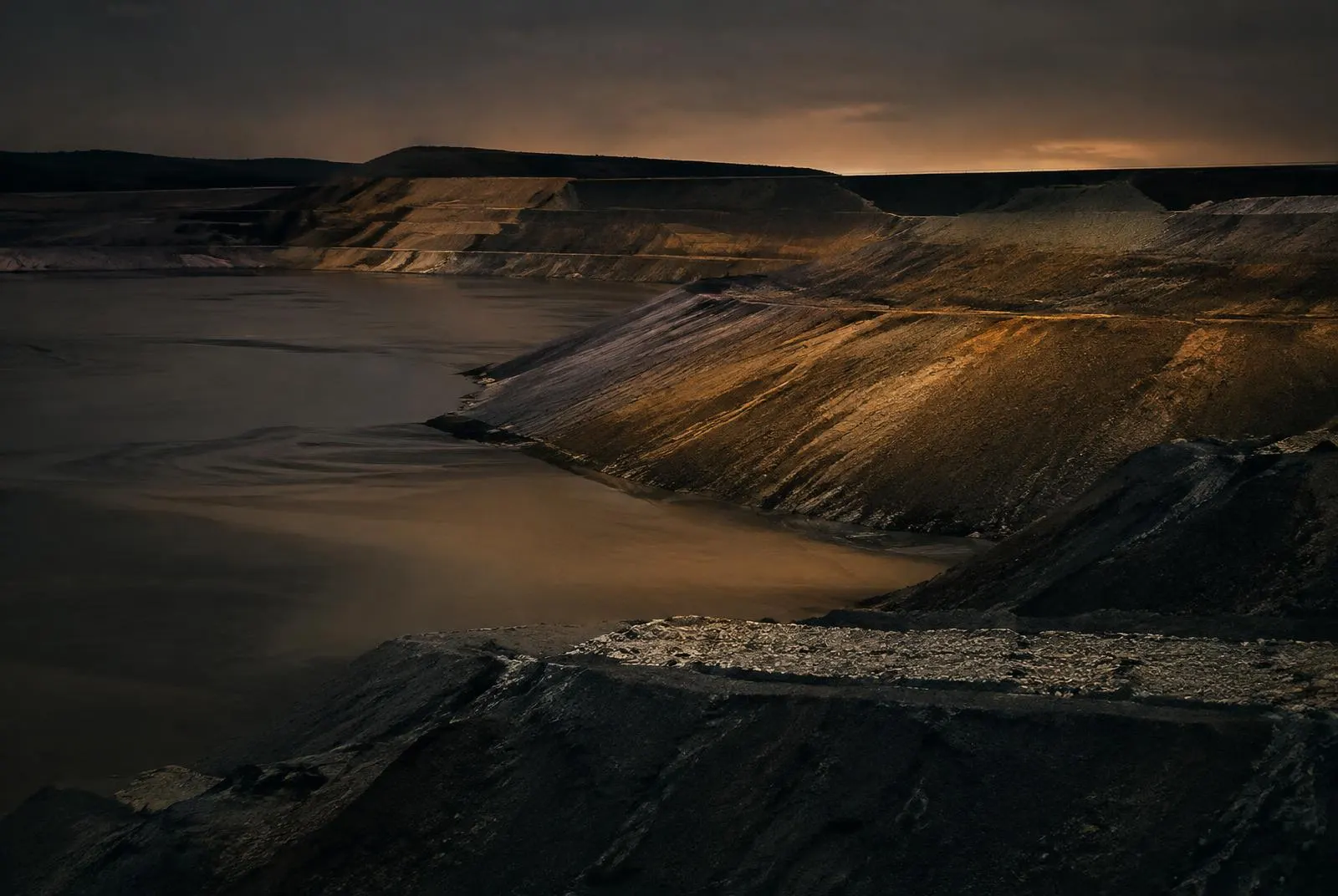
South Africa sits on more than a century of mining history, and much of it is stacked neatly beside the roads: tailings dams, waste rock dumps and low-grade stockpiles. With better processing technology and higher commodity prices, some of this material has quietly become an ore body. Not all of it, though. The difference between a bankable reprocessing project and an expensive lesson comes down to a handful of fundamentals.
Know what is actually in the dam
Historical records are a starting point, not a resource. Tailings deposited over decades vary vertically and laterally, reflecting changes in the original plant, the ore feed and the deposition method. A credible project needs a properly designed drilling or auger programme, with sampling on a grid dense enough to capture that variability, and assays from an accredited laboratory.
From there, a competent person can prepare a resource estimate under SAMREC, JORC or NI 43-101. Funders will ask for it. Without it, every conversation stalls at the same question.
Testwork that represents the whole deposit
The most common failure I see is testwork on one convenient sample. Tailings particles are fine, often slimed, sometimes oxidised, and frequently behave differently to the ore they came from. Representative metallurgical testwork should cover the range of material types in the deposit and test the specific processes you intend to use.
- Particle size distribution and mineralogy, including how the valuable mineral is locked.
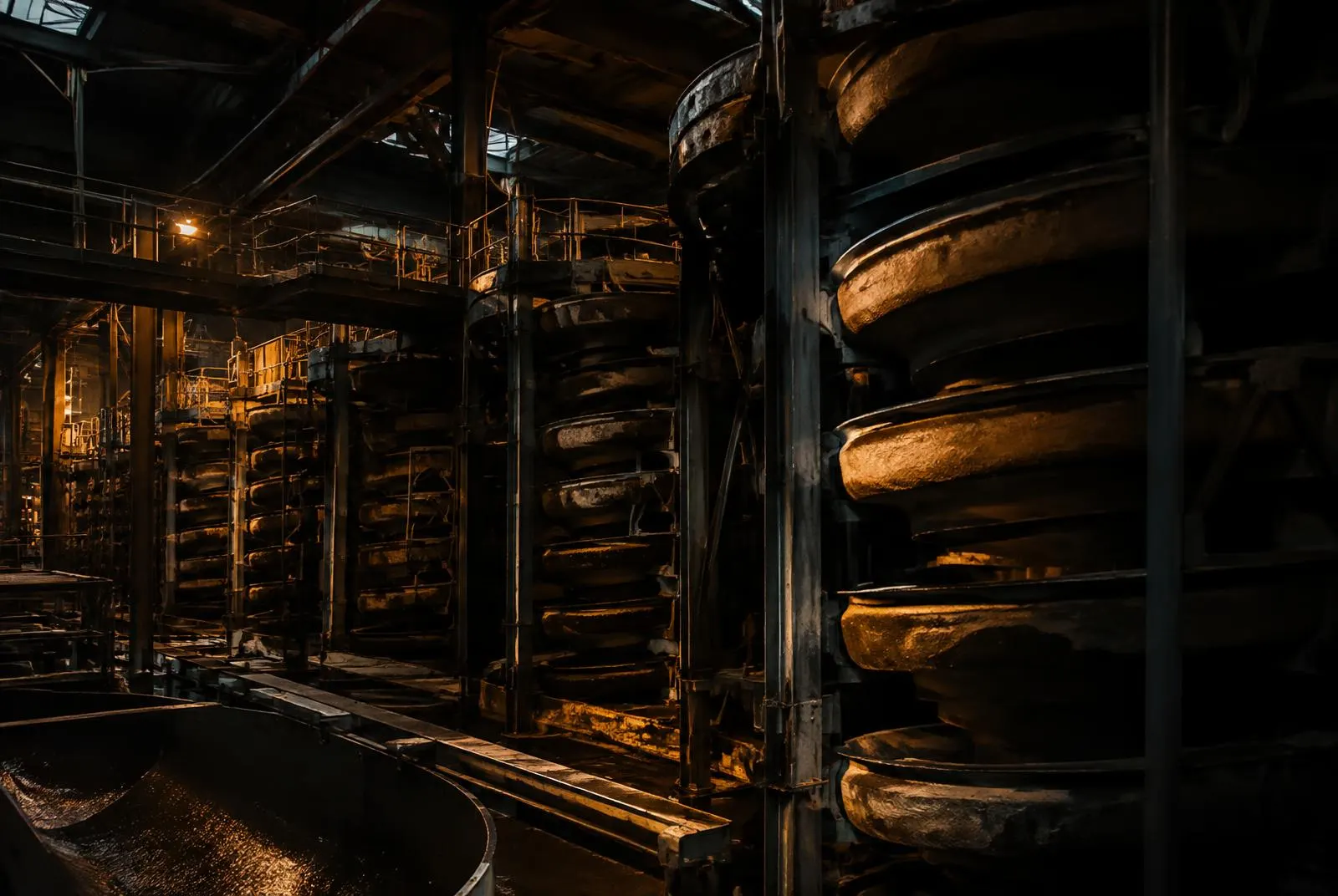
- Gravity separation response: spirals, shaking tables and hydrosizers where appropriate.
- Magnetic separation response for iron-bearing, chrome or mineral sands tailings.
- Flotation or leach response where gravity and magnetics are not enough.
- Dewatering and thickening behaviour, which often drives plant size and cost.
A flowsheet that matches the material
Reprocessing plants live or die on simplicity. The best flowsheets I have worked on are designed around the deposit's real behaviour, not a vendor's favourite machine. Every unit operation should earn its place with testwork data. Fewer steps usually means lower capital, easier operation and better availability.
Water, power and the site itself
Reprocessing is water-intensive. Secure water rights, a realistic water balance and a plan for the new tailings facility are essential. Power availability and reliability matter just as much in South Africa. Many otherwise attractive projects are constrained by grid capacity and need a credible power solution in the business case.
Rights, permits and liabilities
Ownership of historical tailings can be legally complex. Clarify whether the material falls under an existing mining right, a separate right or a different legal regime, and who carries the environmental liability for the existing and new facilities. Funders will expect clear tenure, the right environmental authorisations and an honest view of the rehabilitation obligations.
The circular economy case
Reprocessing is increasingly attractive beyond the metal itself. Removing or re-depositing legacy tailings in an engineered facility can reduce environmental risk, release land and improve relationships with nearby communities. These benefits are real and fundable, but only when they are quantified and documented rather than asserted.
What makes it bankable
Pulling it together, a bankable tailings reprocessing project usually has: a compliant resource estimate; representative testwork; a simple, data-driven flowsheet; secure water and power; clear legal tenure and environmental authorisation; a credible operating team; and a financial model that survives a sensible downside price case.
If your project has three or four of these, it is not ready to raise, but it may be closer than you think. If it has all of them, the right partners are usually interested. Either way, the Opportunity Desk is a good place to start a confidential conversation.
Working on something this article describes?
I help OEMs enter African markets and project owners find the right partners. Let's talk.